
The evolution of casinos A journey through time
The Origins of Gambling
The history of gambling can be traced back thousands of years, with evidence of games of chance appearing in ancient civilizations such as China, Greece, and Rome. The earliest known gambling artifacts include dice found in Mesopotamia, dating back to 3000 BC. These simple games laid the groundwork for the complex gaming systems we see in modern casinos. As societies evolved, so did the methods of gambling, transitioning from informal gatherings to more structured and organized forms. If you’re looking for a modern take on gaming, check out westacegaming.com, which showcases the latest trends and experiences in online gaming.

In ancient Rome, gambling was widely popular among citizens, including soldiers and emperors. The Romans developed various games, such as dice and betting on chariot races, creating a culture that accepted gaming as a form of entertainment. However, it was often met with moral scrutiny, leading to intermittent regulations. This period highlighted gambling’s dual nature: as a source of enjoyment and a potential societal concern.
As gambling spread across Europe, it found a new home in the grand casinos of the 17th century, particularly in Italy. The first official casino, the Casino di Venezia, opened its doors in 1638, providing a lavish setting for the upper class to engage in games of chance. This marked a significant shift as gambling became more organized and commercialized, paving the way for the modern casino experience.
The Rise of Modern Casinos
The 19th century saw a surge in the popularity of casinos, particularly in Europe and the United States. The Monte Carlo Casino in Monaco, established in 1863, became a symbol of luxury and extravagance. Its lavish architecture and elite clientele attracted visitors from around the globe. This period also marked the introduction of classic casino games like poker and blackjack, which added an element of strategy alongside pure chance.
In the United States, the Gold Rush and westward expansion gave rise to saloons and gaming houses. The allure of quick fortunes drew people into gambling establishments, leading to the emergence of Wild West casinos. These venues offered a rugged atmosphere with card games and dice games, appealing to fortune seekers. As the nation evolved, so did gambling regulations, with states implementing laws to control the burgeoning industry.
The early 20th century brought further changes as cities like Las Vegas began to redefine the casino landscape. The legalization of gambling in Nevada in 1931 sparked a transformation, leading to the construction of lavish hotels and casinos. This era marked the birth of the “Las Vegas Strip,” where iconic establishments like The Flamingo and The Sands catered to an increasingly diverse clientele seeking entertainment and excitement.
The Digital Revolution of Casinos
The turn of the 21st century introduced a digital revolution, transforming the way people engage with gambling. The advent of the internet led to the rise of online casinos, providing players with unprecedented access to their favorite games from the comfort of their homes. The first online casino, InterCasino, launched in 1996, quickly gained popularity and laid the groundwork for a thriving online gaming industry.
Online casinos have diversified the gaming experience, offering a vast array of options, including slots, table games, and live dealer games. These platforms utilize advanced technology to create immersive environments that simulate the excitement of traditional casinos. Innovations like random number generators and secure payment systems have enhanced player trust and safety, leading to a surge in online gambling participation worldwide.
Mobile technology has further revolutionized the industry, allowing players to gamble on the go. Mobile apps and responsive websites have made it easy for users to access casinos from smartphones and tablets. This convenience has attracted a younger demographic and has become a significant driving force behind the continued growth of online gambling, making it a dominant force in the gaming world.
The Global Casino Landscape Today
Today, casinos exist in various forms across the globe, each offering unique experiences and attractions. Las Vegas remains the quintessential casino destination, known for its extravagant resorts and vibrant nightlife. However, other cities like Atlantic City, Macau, and Singapore have emerged as major competitors, each with their own distinctive flair and appeal. Macau, often referred to as the “Gambling Capital of the World,” has seen a rapid rise in casino revenue, outpacing Las Vegas in the process.
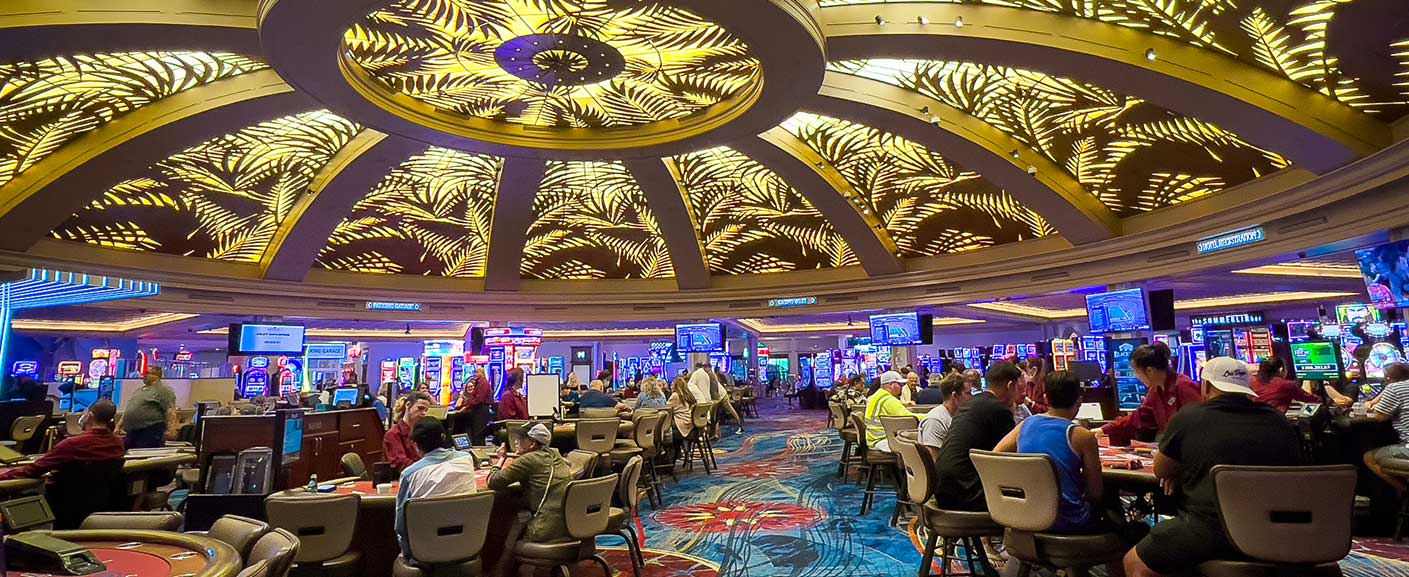
Additionally, the rise of integrated resorts has transformed the casino experience into a multifaceted entertainment hub. These resorts combine gaming with luxury accommodations, fine dining, shopping, and entertainment, providing a one-stop destination for visitors. This trend reflects the changing preferences of consumers, who seek a more holistic experience beyond gambling alone.
Moreover, governments worldwide have recognized the economic potential of casinos, leading to the legalization and regulation of gambling in various regions. While this has contributed to job creation and tourism, it also raises concerns about problem gambling and responsible gaming practices. Striking a balance between economic benefits and player welfare remains a challenge for regulators and operators alike.
The Future of Casinos
As technology continues to advance, the future of casinos looks promising yet uncertain. Innovations such as virtual reality and blockchain technology may reshape how players interact with games and casinos. Virtual reality gaming could offer immersive experiences that transcend traditional boundaries, while blockchain could enhance transparency and security in online transactions.
Moreover, the integration of artificial intelligence and machine learning in casinos will likely lead to personalized gaming experiences. Tailored recommendations based on player preferences could enhance engagement and retention. Understanding player behavior through data analytics may also help casinos design more effective loyalty programs and promotions.
As the industry evolves, addressing responsible gambling will remain a priority. Implementing measures to promote healthy gaming habits will be crucial as the lines between gaming and entertainment continue to blur. Ensuring a safe and enjoyable environment for players will be essential for the longevity and sustainability of the casino industry.
Join the Online Gaming Revolution
As the casino landscape continues to evolve, platforms like WestAce Casino are at the forefront of this transformation. Launched in 2022, WestAce offers a contemporary online gaming experience designed for players in the UK. With an extensive selection of games, including thousands of slots and live tables, it caters to the diverse preferences of modern gamers.
WestAce Casino prides itself on providing a user-friendly interface, robust customer support, and secure payment options, including cryptocurrency. The enticing welcome bonus package further enhances the appeal for newcomers, encouraging players to explore a world of gaming possibilities. With a commitment to responsible gambling, WestAce ensures a safe and enjoyable environment for all users.
As the journey through time continues, the evolution of casinos is a testament to the enduring allure of gaming. Whether you prefer traditional brick-and-mortar establishments or the convenience of online platforms, the exciting world of casinos awaits. Join the online gaming revolution at WestAce Casino and experience the thrill for yourself.